
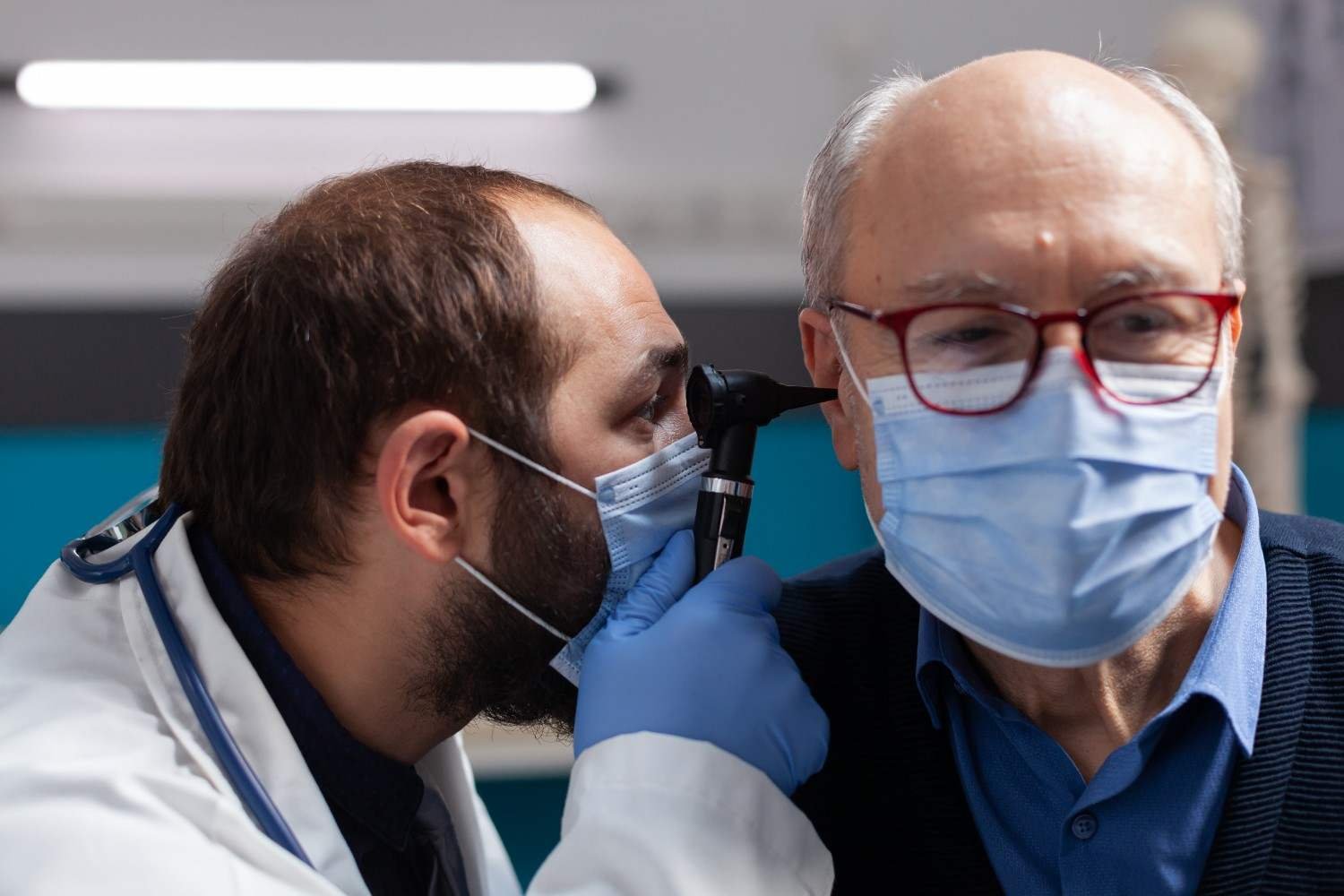
An eardrum injury can affect hearing and make everyday activities uncomfortable. It may develop due to ear infections, accidental injuries, or repeated pressure changes. Fortunately, modern surgical techniques offer effective ways to repair eardrum damage. Endoscopic Ear Surgery Sector 10 Gurugram is an option patients can explore when they need specialized evaluation and treatment for eardrum problems. Dr. Harsh Vardhan explains that endoscopic techniques allow surgeons to examine the ear closely and perform delicate procedures with improved visibility.
Unlike traditional ear surgery, endoscopic ear surgery uses a thin instrument with a small camera and light. This provides a clear view of the ear canal and eardrum. As a result, surgeons can often repair damage without making a large incision behind the ear.
Want a direct connection with us on WhatsApp? Click now.
What Is Endoscopic Ear Surgery?
Endoscopic ear surgery is a minimally invasive technique used to treat different conditions affecting the middle ear. It involves using a narrow endoscope to view the ear structures on a monitor during surgery.
The procedure is commonly used for eardrum repair, also known as tympanoplasty. It may also help manage selected cases of chronic ear infection and other middle ear conditions.
Dr. Harsh Vardhan highlights that the suitability of this technique depends on the patient's ear condition, hearing levels, and overall medical history.
How Does Endoscopic Ear Surgery Help Repair the Eardrum?
The eardrum is a thin membrane that separates the outer ear from the middle ear. It vibrates when sound waves reach it, helping transmit sound for hearing.
A perforated eardrum has a hole or tear in this membrane. Small perforations may heal naturally, but larger or persistent holes may require surgery.
During endoscopic eardrum repair, the surgeon uses a camera to examine the affected area. A small graft, often taken from the patient's own tissue, may be placed to close the perforation.
Patients considering Endoscopic Ear Surgery Sector 10 Gurugram should first undergo a detailed ear examination. This helps determine whether surgery is necessary and which technique is most appropriate.
Key Benefits of Endoscopic Ear Surgery for Eardrum Repair
Endoscopic ear surgery offers several benefits for suitable patients. Some important advantages include:
1. Minimally Invasive Approach
One of the main benefits is that the procedure can often be performed through the ear canal. This may eliminate the need for a large incision behind the ear.
Smaller surgical access can also reduce tissue disturbance and visible scarring.
2. Better Visibility of Ear Structures
The endoscope provides a magnified view of the eardrum and surrounding structures. It helps surgeons examine areas that may be difficult to see with a traditional microscope.
This improved visibility supports precise surgical work.
3. Less Postoperative Discomfort
Since the procedure may avoid a larger external incision, some patients experience less discomfort after surgery. However, recovery varies depending on the extent of repair and individual healing.
4. No Large External Scar
Traditional ear surgery may require an incision behind the ear. Endoscopic techniques can often avoid this incision.
This makes the approach appealing to patients concerned about visible surgical scars.
5. Potentially Faster Recovery
Many patients can return to routine activities sooner after a minimally invasive procedure. However, the recovery period depends on the surgical findings and the patient's overall health.
Following postoperative instructions remains essential for proper healing.
6. Improved Access to Difficult Areas
The endoscope provides a wide-angle view of the middle ear. This can help surgeons examine hidden areas and identify problems more clearly.
Dr. Harsh Vardhan emphasizes that surgical precision and careful assessment are important for achieving good outcomes.
Who May Need Endoscopic Ear Surgery?
Not every eardrum perforation requires surgery. However, doctors may recommend an evaluation for patients experiencing:
- Persistent eardrum perforation.
- Repeated ear infections or discharge.
- Hearing difficulties caused by eardrum damage.
- Eardrum injuries that do not heal naturally.
- Selected middle ear conditions requiring surgical treatment.
People searching for Endoscopic Ear Surgery Sector 10 Gurugram should consult an experienced ENT specialist before deciding on surgery. The doctor can assess the perforation and discuss suitable treatment options.
What to Expect During Recovery?
Recovery after endoscopic ear surgery is generally manageable when patients follow medical instructions carefully.
Some patients may experience mild discomfort, temporary ear blockage, or changes in hearing during the healing period. These symptoms should be discussed with the treating doctor if they become severe or worsen.
For a smooth recovery, patients should:
- Keep the operated ear dry as advised.
- Avoid forceful nose blowing.
- Avoid swimming until medically cleared.
- Take prescribed medicines as directed.
- Attend scheduled follow-up appointments.
- Avoid heavy physical activity until permitted.
Dr. Harsh Vardhan recommends regular follow-up visits to monitor graft healing and assess hearing improvement.
Why Choose an Experienced ENT Specialist for Eardrum Repair?
Eardrum repair requires careful examination and precise surgical technique. An experienced ENT specialist can evaluate the size and location of the perforation, identify associated middle ear problems, and recommend an appropriate procedure.
Patients exploring Endoscopic Ear Surgery Sector 10 Gurugram should consider the specialist's experience, diagnostic approach, available surgical facilities, and postoperative care.
Dr. Harsh Vardhan emphasizes that treatment decisions should always be based on individual needs rather than choosing a procedure simply because it is minimally invasive.
Conclusion
Endoscopic ear surgery has improved the approach to eardrum repair by offering better visibility, smaller surgical access, and the possibility of reduced postoperative discomfort. It can be a suitable option for patients with persistent eardrum perforations and selected middle ear conditions.
Choosing Endoscopic Ear Surgery Sector 10 Gurugram begins with a proper consultation and detailed ear evaluation. Dr. Harsh Vardhan encourages patients to seek timely medical advice if they experience hearing difficulties, repeated ear infections, or persistent ear discharge. With appropriate treatment and follow-up care, patients can work toward better ear health and improved hearing.
Frequently Asked Questions
1. Is endoscopic ear surgery painful?
The procedure is performed under anaesthesia. Some mild discomfort may occur during recovery.
2. Does endoscopic ear surgery improve hearing?
Yes, eardrum repair may improve hearing when the damage is responsible for hearing loss. Results vary between patients.
3. How long does recovery take?
Initial recovery may take a few days to several weeks. Complete eardrum healing can take two months or longer.
4. Is endoscopic surgery suitable for every eardrum perforation?
No. Suitability depends on the size and location of the perforation and the condition of the middle ear.