
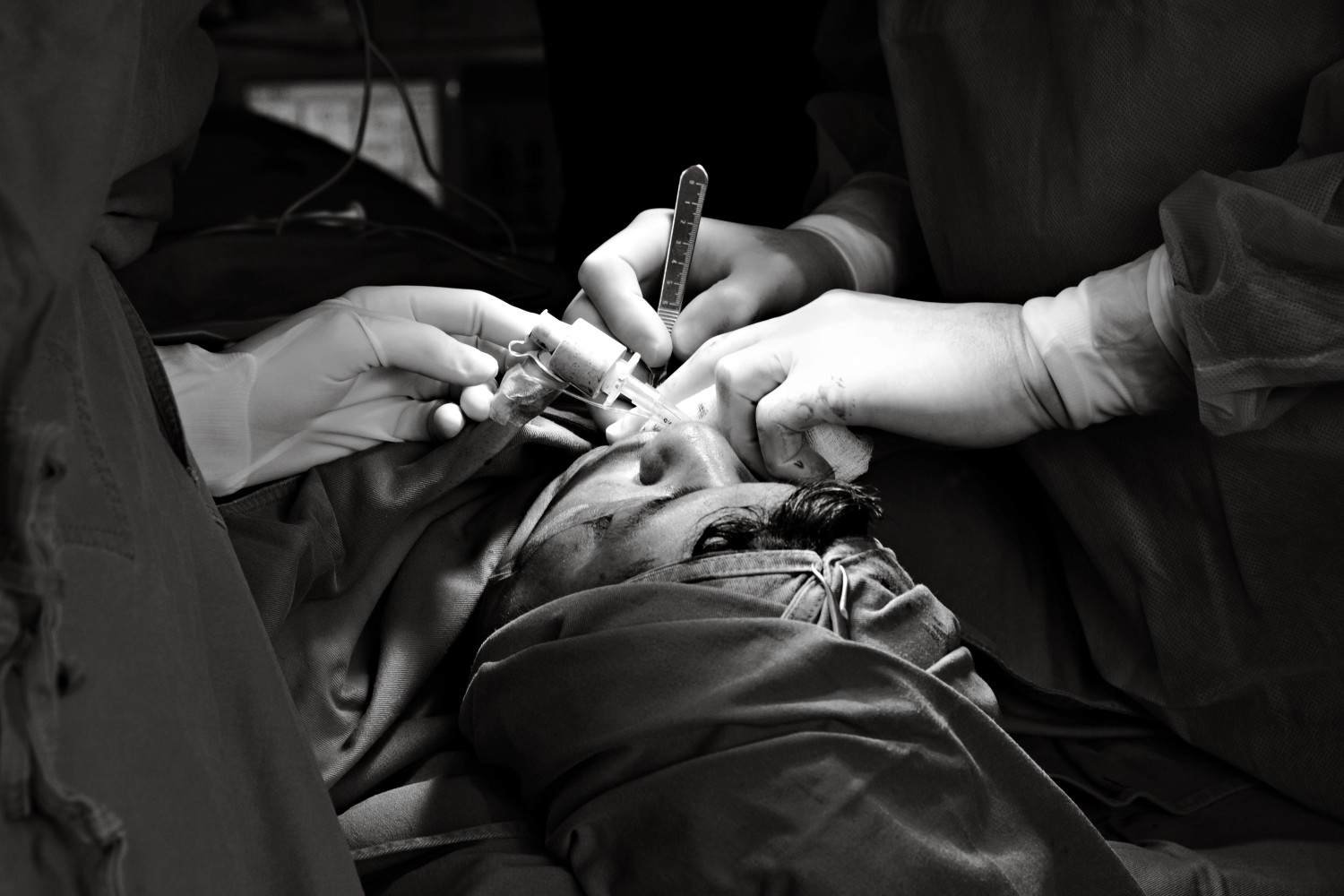
Persistent sinus infections can make everyday life uncomfortable. A blocked nose, facial pressure, headaches, and reduced sense of smell can affect sleep, work, and daily activities. When these symptoms keep returning despite appropriate treatment, consulting an Endoscopic Nasal Surgeon in Gurgaon may help you understand the cause and explore suitable treatment options.
Endoscopic nasal surgery is a minimally invasive procedure used to address certain nasal and sinus problems. Dr. Harsh Vardhan evaluates persistent sinus conditions and helps patients understand whether surgery or continued medical treatment is appropriate.
Want a direct connection with us on WhatsApp? Click now.
What Causes Persistent Sinus Infections?
Sinusitis occurs when the lining of the sinuses becomes inflamed. This swelling can interfere with normal mucus drainage and cause pressure, congestion, and discomfort.
Several factors may contribute to recurring or long-lasting sinus problems, including:
- Chronic sinus inflammation
- Nasal polyps that block sinus openings
- Allergies that cause ongoing swelling
- Structural problems inside the nose
- Repeated respiratory infections
Not every sinus infection requires surgery. However, when symptoms continue for weeks or frequently return, an ENT specialist can investigate the underlying cause.
Dr. Harsh Vardhan recommends a proper assessment before choosing a treatment approach, as different sinus conditions may require different forms of care.
When Is Endoscopic Nasal Surgery Considered?
Doctors usually consider medication and other non-surgical treatments first. These may include saline nasal rinses, prescribed nasal sprays, allergy management, or other medicines depending on the diagnosis.
If symptoms persist despite suitable medical treatment, surgery may be an option. An Endoscopic Nasal Surgeon in Gurgaon can assess whether blocked sinus passages, nasal polyps, or other structural concerns are contributing to the problem.
The decision depends on your symptoms, examination findings, medical history, and response to previous treatment. Surgery is not necessary for everyone with recurring sinus infections.
How Does Endoscopic Nasal Surgery Work?
Endoscopic nasal surgery uses a thin instrument with a small camera, called an endoscope, to view the nasal passages and sinus openings. The surgeon passes the instrument through the nostrils, so the procedure usually does not require external cuts.
Depending on the condition, the surgeon may open blocked sinus passages or remove tissue that interferes with normal drainage. The aim is to improve airflow and help mucus drain more effectively.
Dr. Harsh Vardhan specializes in endoscopic nasal procedures and evaluates each patient before recommending surgery. The exact procedure depends on the location and severity of the problem.
Benefits of Endoscopic Nasal Surgery for Sinus Problems
For carefully selected patients, endoscopic nasal surgery may provide several benefits.
1. Better Sinus Drainage
Blocked sinus openings can prevent mucus from draining normally. Surgery may help restore drainage pathways and reduce the conditions that contribute to ongoing symptoms.
2. Easier Nasal Breathing
When nasal polyps or other obstructions affect airflow, treating them may help patients breathe more comfortably through the nose.
3. Fewer Recurring Symptoms
Some patients experience fewer sinus flare-ups after surgery. However, results vary, and ongoing inflammation or allergies may still require treatment.
4. Improved Sense of Smell
Swelling and nasal blockage can affect the ability to smell. When these problems are contributing factors, surgery may help improve the sense of smell in some patients.
5. Better Everyday Comfort
Persistent sinus symptoms can affect sleep, concentration, and daily routines. Effective treatment may help patients feel more comfortable and manage their usual activities more easily.
Dr. Harsh Vardhan explains the expected benefits and limitations of surgery so patients can make informed decisions about their care.
What Should Patients Expect Before and After Surgery?
Before surgery, the ENT specialist reviews your symptoms and previous treatments. A nasal endoscopy may be performed, and a CT scan may be recommended when needed to assess the sinus passages.
After surgery, recovery varies from person to person. Some congestion, mild bleeding, or discomfort may occur during the initial recovery period. Your doctor will explain what to expect and when to seek help.
Follow-up appointments are important. Your care plan may include saline rinses, prescribed medicines, and nasal cleaning when recommended. These steps can support healing and help maintain the benefits of surgery.
Even after a successful procedure, chronic sinusitis may need ongoing management. Surgery should not be considered a guaranteed permanent cure.
Choosing an Endoscopic Nasal Surgeon in Gurgaon
Choosing an experienced specialist can help you understand your diagnosis and treatment options. Look for an ENT surgeon who carefully evaluates your symptoms, explains the procedure, and provides clear guidance about recovery and follow-up care.
At Vista ENT Clinic, Dr. Harsh Vardhan provides assessment and treatment for a range of nasal and sinus conditions. Patients can discuss persistent congestion, recurring infections, reduced smell, and other concerns during a consultation.
An Endoscopic Nasal Surgeon in Gurgaon can help determine whether your symptoms may benefit from surgery or whether another treatment approach is more suitable.
Frequently Asked Questions
1. Does every sinus infection need surgery?
No. Most cases are treated without surgery. It may be considered when symptoms persist despite appropriate treatment.
2. Does endoscopic nasal surgery involve external cuts?
Usually not. The surgeon generally works through the nostrils using an endoscope.
3. Can sinus infections return after surgery?
Yes. Allergies and ongoing inflammation can cause symptoms to return, so follow-up care may still be needed.
4. When should I consult an ENT specialist?
Seek an assessment if sinus symptoms persist, repeatedly return, or interfere with breathing, sleep, or daily activities.
Conclusion
Persistent sinus infections can affect comfort and quality of life, especially when nasal blockage, facial pressure, and reduced smell continue despite treatment. Endoscopic nasal surgery may help suitable patients by improving sinus drainage and addressing specific obstructions.
Dr. Harsh Vardhan can assess your symptoms and explain the available options. Consulting an Endoscopic Nasal Surgeon in Gurgaon can help you understand the cause of your sinus problems and decide on the next steps with appropriate medical guidance.
For persistent or recurring sinus symptoms, consider scheduling an ENT consultation at Vista ENT Clinic to discuss your condition and treatment options.