
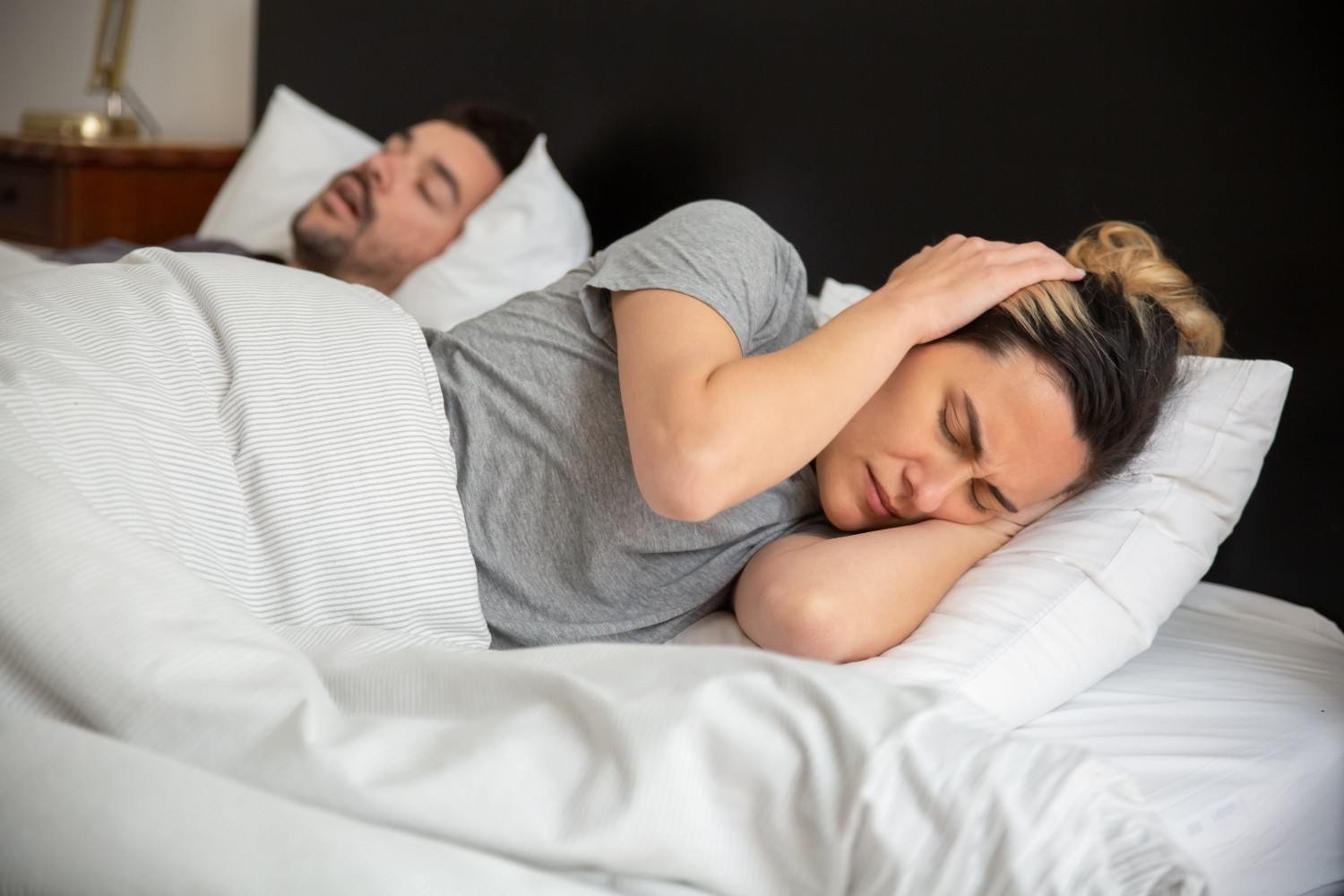
Do you often wake up feeling tired, even after sleeping for several hours? Do you experience daytime sleepiness, difficulty concentrating, or frequent morning headaches? These problems may be linked to sleep apnea, a sleep-related breathing disorder that can affect overall health. Seeking Sleep Apnea Treatment in Sector 10 Gurgaon can help identify the underlying cause and improve sleep quality through appropriate medical care. Dr. Harsh Vardhan emphasizes that persistent sleep-related problems should not be ignored.
Sleep apnea causes repeated interruptions in breathing during sleep. These interruptions can prevent the body from getting enough oxygen and disturb the natural sleep cycle. Over time, untreated sleep apnea may affect physical energy, mental performance, and long-term health.
Want a direct connection with us on WhatsApp? Click now.
What Is Sleep Apnea and Why Does It Occur?
Sleep apnea is a condition in which breathing repeatedly stops or becomes shallow during sleep. These interruptions may last several seconds and can occur many times throughout the night.
There are three main types:
- Obstructive Sleep Apnea (OSA): Occurs when the upper airway becomes partially or completely blocked during sleep.
- Central Sleep Apnea: Happens when the brain does not send proper signals to the muscles responsible for breathing.
- Complex Sleep Apnea: Involves features of both obstructive and central sleep apnea.
Common risk factors include excess body weight, enlarged tonsils, nasal obstruction, smoking, alcohol consumption, and certain medical conditions.
Dr. Harsh Vardhan explains that identifying the type of sleep apnea is important for selecting an appropriate treatment approach.
How Does Untreated Sleep Apnea Affect Daily Energy Levels?
One of the most noticeable effects of sleep apnea is constant tiredness during the day. Although a person may spend seven to eight hours in bed, repeated breathing interruptions prevent the body from getting uninterrupted, restorative sleep.
As a result, patients may experience:
- Morning tiredness: Waking up without feeling refreshed.
- Daytime sleepiness: Feeling sleepy during work, meetings, or routine activities.
- Low physical energy: Finding everyday tasks more tiring than usual.
- Frequent headaches: Experiencing headaches, particularly after waking up.
- Irritability: Feeling frustrated or emotionally exhausted due to poor sleep.
These symptoms can affect work performance, relationships, and overall quality of life. People experiencing persistent tiredness should consider an evaluation for possible sleep disorders.
Can Sleep Apnea Affect Concentration and Memory?
Yes. Poor sleep can affect how the brain processes information, stores memories, and maintains attention.
When breathing repeatedly stops during sleep, the brain experiences frequent sleep disruptions. This can interfere with important sleep stages that support memory and mental recovery.
Common cognitive effects include:
1. Difficulty concentrating: Patients may struggle to focus on conversations, reading, or workplace responsibilities.
2. Memory problems: Poor sleep quality can make it harder to remember information and complete daily tasks.
3. Slower reactions: Reduced alertness may affect decision-making and response time.
4. Reduced productivity: Mental fatigue can make even simple activities feel more challenging.
Dr. Harsh Vardhan highlights that untreated sleep apnea should be taken seriously, particularly when daytime drowsiness affects driving, work, or personal safety.
Long-Term Health Risks of Untreated Sleep Apnea
Sleep apnea affects more than sleep quality. Repeated drops in oxygen levels and frequent sleep disturbances can place additional stress on the body.
Some possible health complications include:
- High blood pressure: Repeated oxygen fluctuations can increase stress on the cardiovascular system.
- Heart disease: Untreated obstructive sleep apnea is associated with a higher risk of cardiovascular problems.
- Irregular heartbeat: Some patients may develop heart rhythm disturbances, including atrial fibrillation.
- Type 2 diabetes: Sleep apnea is associated with insulin resistance and metabolic problems.
- Stroke risk: Obstructive sleep apnea is linked with an increased risk of stroke.
The level of risk varies between individuals. Early diagnosis and appropriate management can help reduce the impact of sleep apnea on long-term health.
Common Warning Signs You Should Not Ignore
Recognizing the symptoms of sleep apnea can help patients seek medical advice before complications develop.
Watch for these common warning signs:
- Loud and persistent snoring.
- Gasping or choking during sleep.
- Repeated pauses in breathing noticed by a partner.
- Waking up with a dry mouth.
- Morning headaches.
- Excessive daytime sleepiness.
- Difficulty staying focused during the day.
Not everyone with sleep apnea experiences all these symptoms. However, repeated breathing interruptions during sleep require medical evaluation.
Sleep Apnea Treatment in Sector 10 Gurgaon: Diagnosis and Treatment Options
Accurate diagnosis is the first step toward managing sleep apnea. A doctor may review your sleep habits, medical history, symptoms, and physical examination findings.
A sleep study, also known as polysomnography, is commonly used to diagnose sleep apnea. In selected cases, a home sleep apnea test may also be recommended.
Treatment depends on the type and severity of the condition.
1. CPAP Therapy: Continuous Positive Airway Pressure (CPAP) is a common treatment for obstructive sleep apnea. It uses gentle air pressure to keep the airway open during sleep.
2. Lifestyle Changes: Weight management, regular physical activity, avoiding smoking, and limiting alcohol can help improve symptoms in some patients.
3. Oral Appliances: Certain dental devices help reposition the jaw or tongue to keep the airway open during sleep.
4. Surgical Treatment: Surgery may be considered in selected patients when anatomical problems contribute to airway obstruction or other treatments are unsuitable.
Patients looking for Sleep Apnea Treatment in Sector 10 Gurgaon should consult an ENT specialist for proper evaluation and individualized treatment recommendations.
Dr. Harsh Vardhan emphasizes that treatment should address the underlying cause rather than simply managing daytime tiredness.
Simple Ways to Improve Sleep Quality
Along with medical treatment, healthy sleep habits can support better rest and overall well-being.
- Maintain a consistent sleep and wake-up schedule.
- Avoid heavy meals close to bedtime.
- Limit alcohol, particularly before sleeping.
- Avoid smoking.
- Maintain a healthy body weight.
- Keep your bedroom comfortable and suitable for sleep.
- Follow your prescribed treatment regularly.
These habits can support sleep health, but they cannot replace medical treatment for diagnosed sleep apnea.
Conclusion
Untreated sleep apnea can affect much more than nighttime rest. It may lead to constant tiredness, poor concentration, memory difficulties, and an increased risk of cardiovascular and metabolic health problems. Recognizing the warning signs and seeking timely medical advice can make a meaningful difference.
If you experience loud snoring, interrupted breathing, or excessive daytime sleepiness, consider seeking Sleep Apnea Treatment in Sector 10 Gurgaon. Dr. Harsh Vardhan recommends early evaluation and appropriate treatment to help improve sleep quality, daily energy, and overall health. Better sleep is an important part of maintaining a healthier and more active life.
Frequently Asked Questions
1. Can sleep apnea cause constant tiredness?
Yes. Repeated breathing interruptions disturb sleep and can cause excessive daytime fatigue.
2. Can untreated sleep apnea affect memory?
Yes. Poor sleep quality can affect concentration, memory, and mental alertness.
3. Is sleep apnea a serious health condition?
Yes. Untreated sleep apnea can increase the risk of heart disease, high blood pressure, and other health complications.
4. Can sleep apnea be treated without surgery?
Yes. Many patients can manage obstructive sleep apnea with CPAP therapy, oral appliances, and appropriate lifestyle changes.